

What a Bucket List Experience Reminded Me About Building a Brand That Lasts
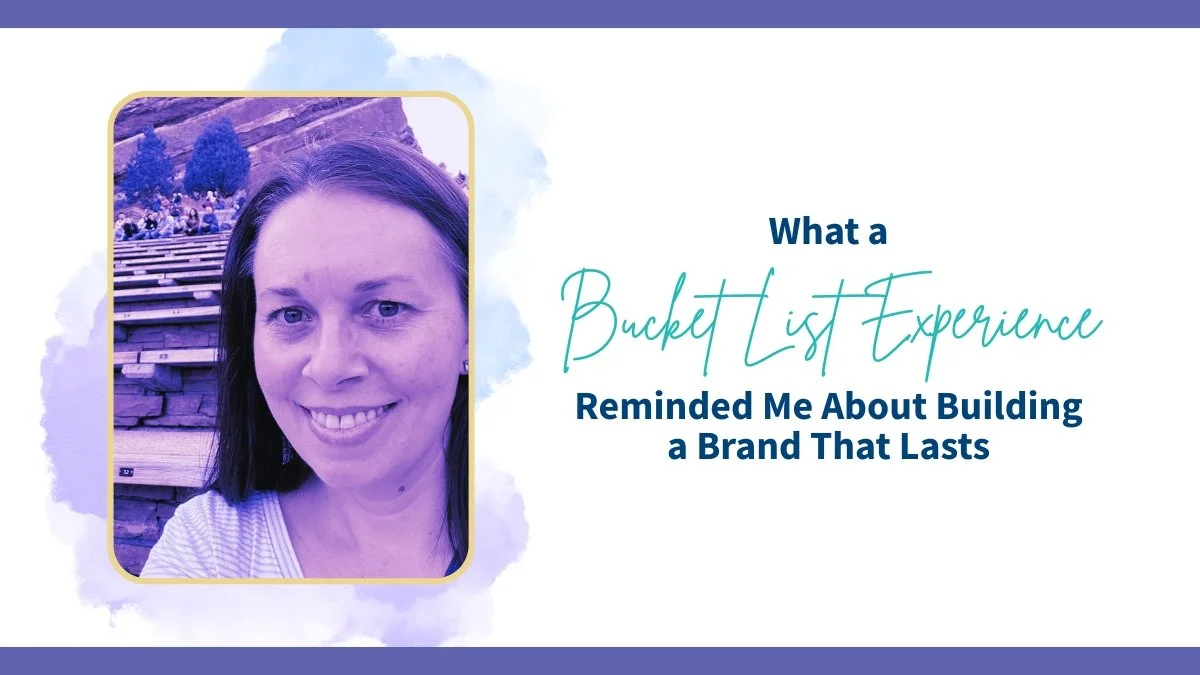
In April 2025, I checked off a long-standing bucket list item—actually, two.
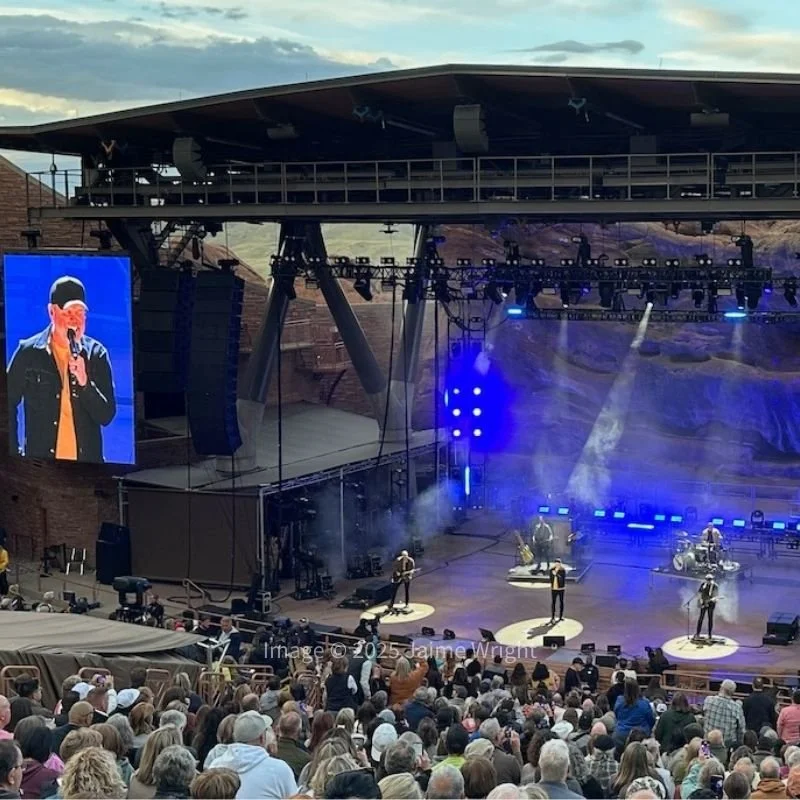
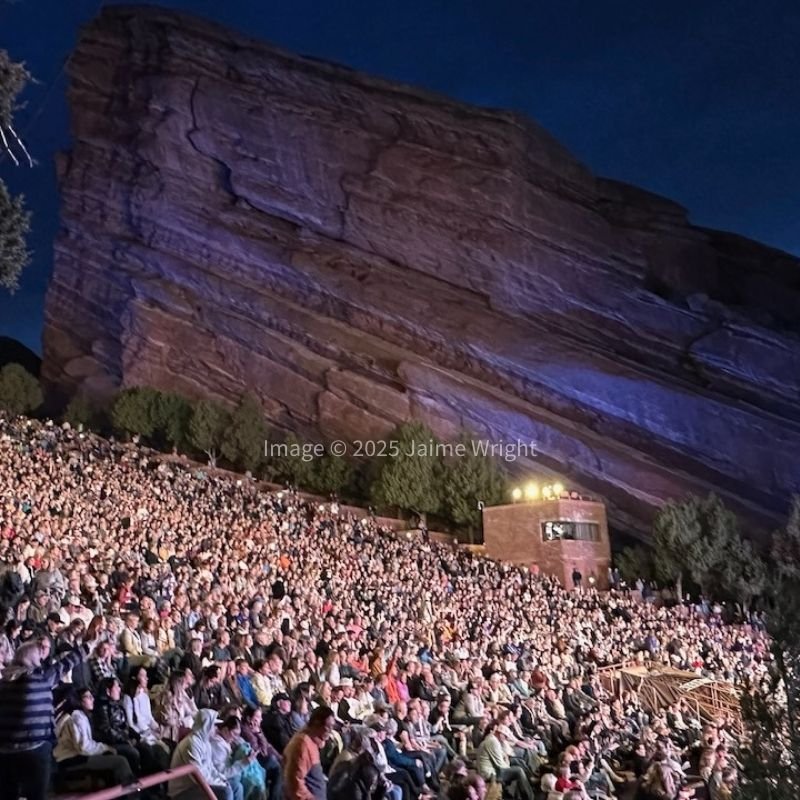
I attended a concert at the iconic Red Rocks Amphitheatre in Morrison, Colorado. And unexpectedly, because of that trip, I also became a background extra in a major motion picture.
The first was the bucket list dream. The second was a surprise bonus that challenged how I think about brand experiences.
I’ve been a fan of MercyMe since my college years in the early 2000s, and their music has stayed with me through many seasons of life. They’re one of the most recognizable bands in Christian music, known not only for commercial success but for deeply resonant storytelling. Many people know them best for “I Can Only Imagine,” a song that later became a feature film in 2018 telling the story behind its creation.
In February 2026, I Can Only Imagine 2 will be released, continuing that story—this time centered around the lead singer’s personal challenges and the song “Even If.” It's a story that resonates because it doesn't shy away from struggle, something that has become a defining thread of the band's brand over time.
For years, I’d wanted to experience Red Rocks, but I knew I wanted my first visit to be tied to an artist that mattered to me. When I saw in early 2025 that MercyMe concert tickets had gone on sale, I bought one immediately. The thought of worshiping God, surrounded by that kind of natural beauty, felt like the perfect moment.
Only after purchasing my ticket did I learn that this concert wasn’t just a show. It was being filmed as part of I Can Only Imagine 2.
My excitement instantly went through the roof.
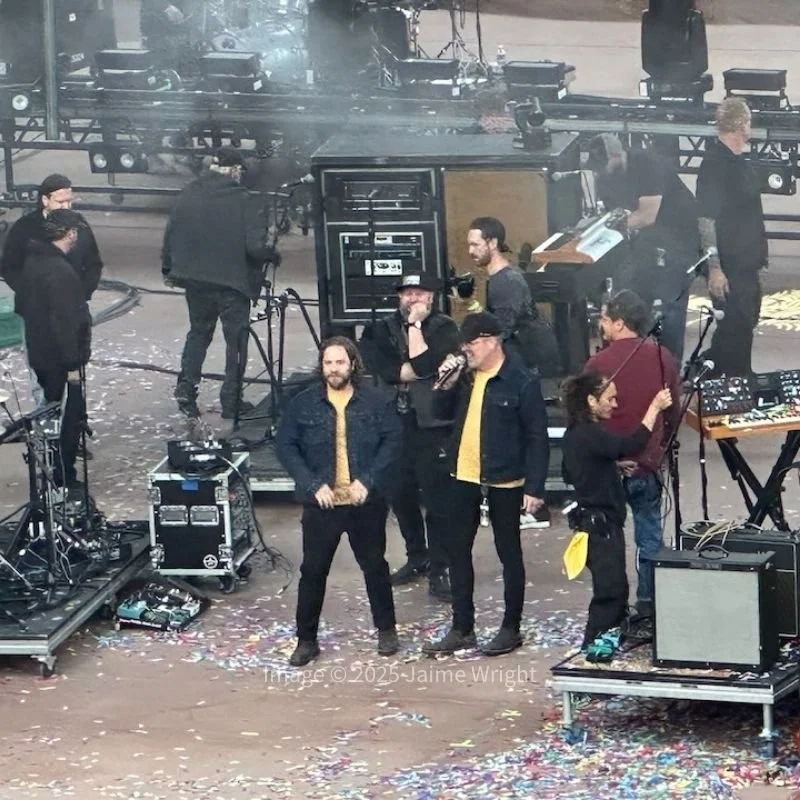
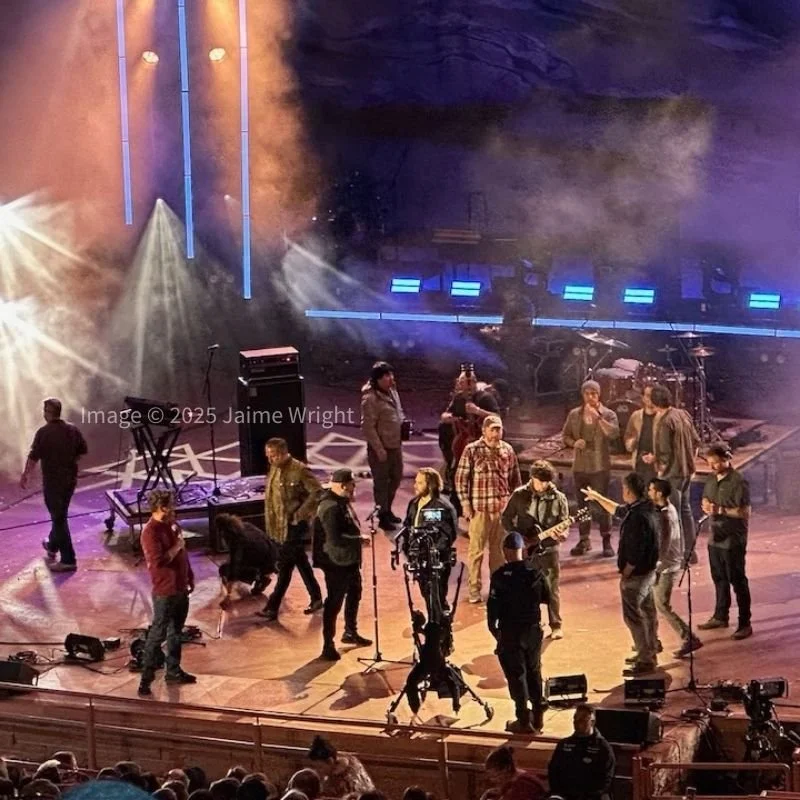
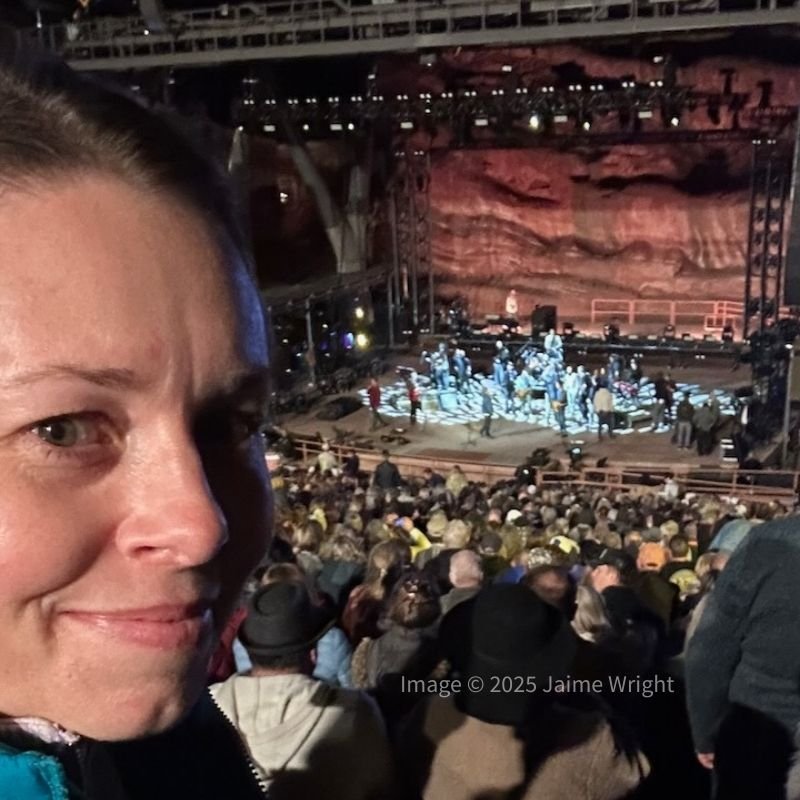
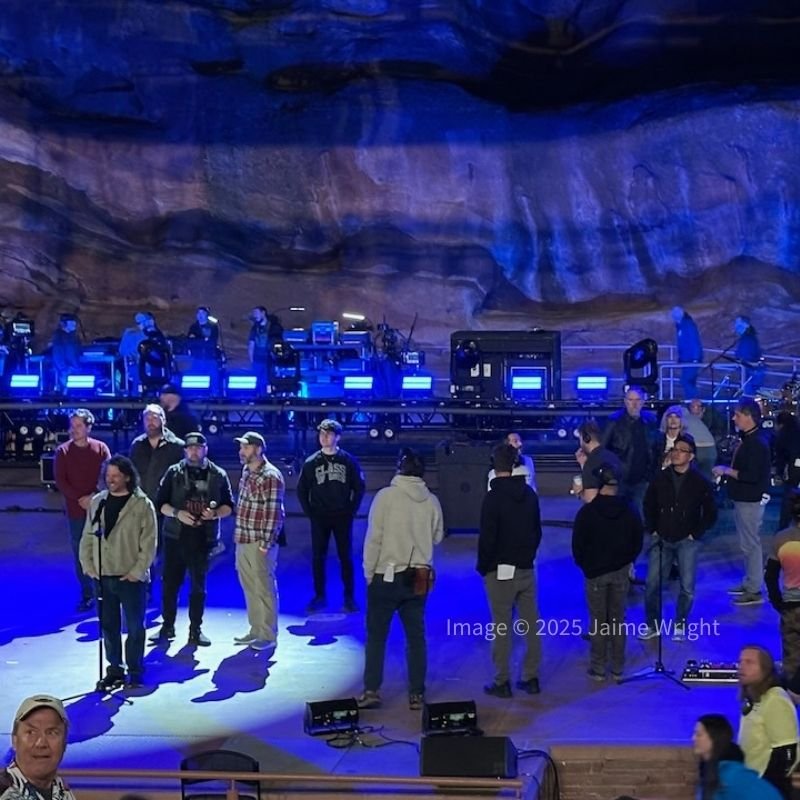
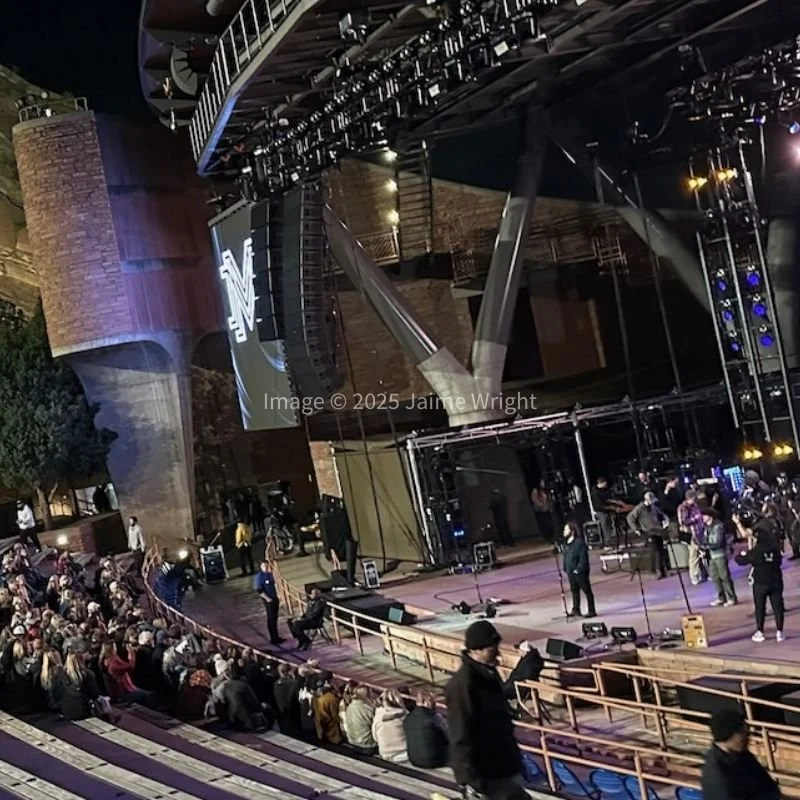
The entire experience was a whirlwind 32-hour trip from departure to return. I watched a massive production unfold, learned how scenes were staged and reset, received instructions as an “extra,” and we somehow nailed the crowd's part on the first take… followed by six more takes, just in case.
What surprised me most wasn’t the scale of the production. It was how intentionally the audience was invited into it. That intentionality is rare, and it's exactly what made the experience feel meaningful rather than transactional.
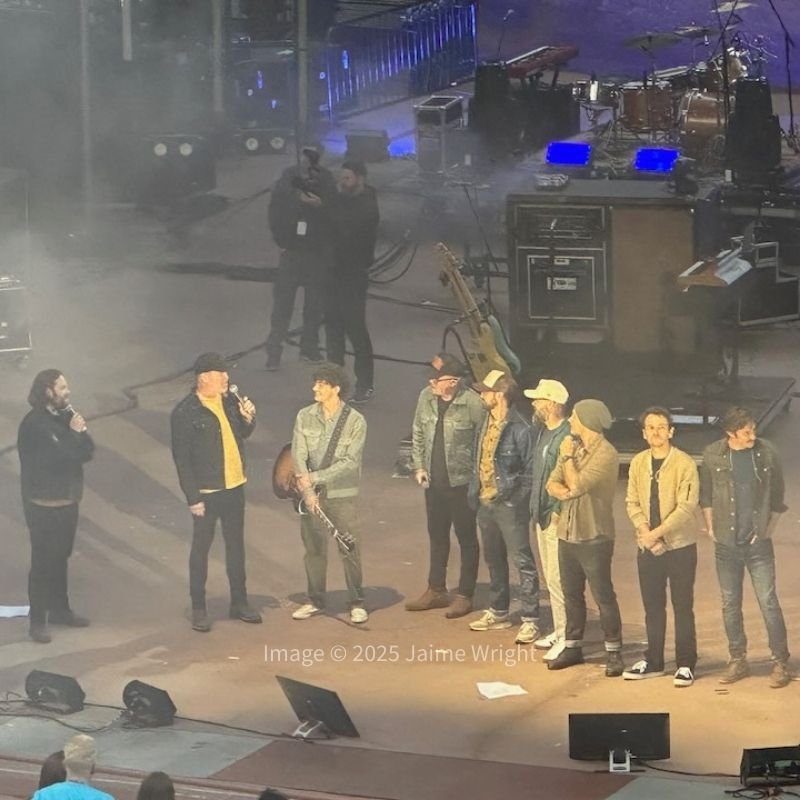
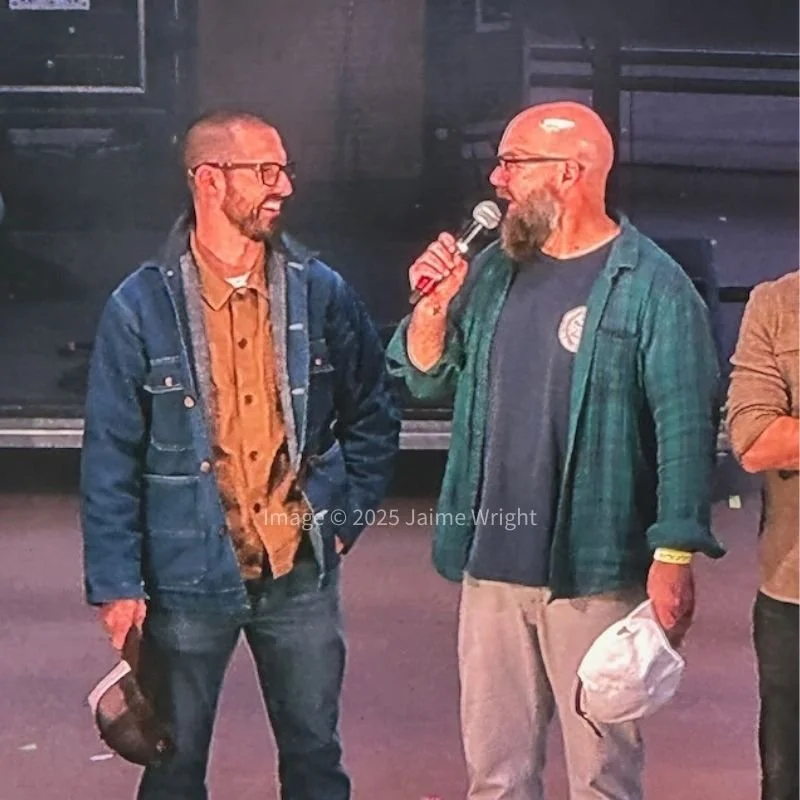
Between scenes, the band and crew used the downtime to engage with us. They shared stories, introduced us to the actors, answered questions, and made the process feel collaborative and genuinely relational. Every U.S. state, and several countries, were represented in that crowd. Everyone had paid their own way to be there, and yet, we were treated as meaningful participants in the story they were telling.
As a thank-you, MercyMe performed between major scenes. After the main concert ended, we stayed for what they jokingly called “MercyMe After Dark,” while the production crew raced to finish filming before local noise ordinances kicked in. I stayed until after midnight, finally leaving only because I had an early flight home.
I walked away having met incredible people, experienced God in a powerful way, and played a very small role in a much larger story. And somewhere in between takes, I realized I wasn’t just witnessing a concert or a film shoot. I was watching a brand live out its values in real time.
I couldn't help but think about how different this experience would have felt if it had been handled any other way. This is the power of branding: I was living out a brand experience through story, connection, and shared values, which is exactly what I teach my clients to create with their own audience.
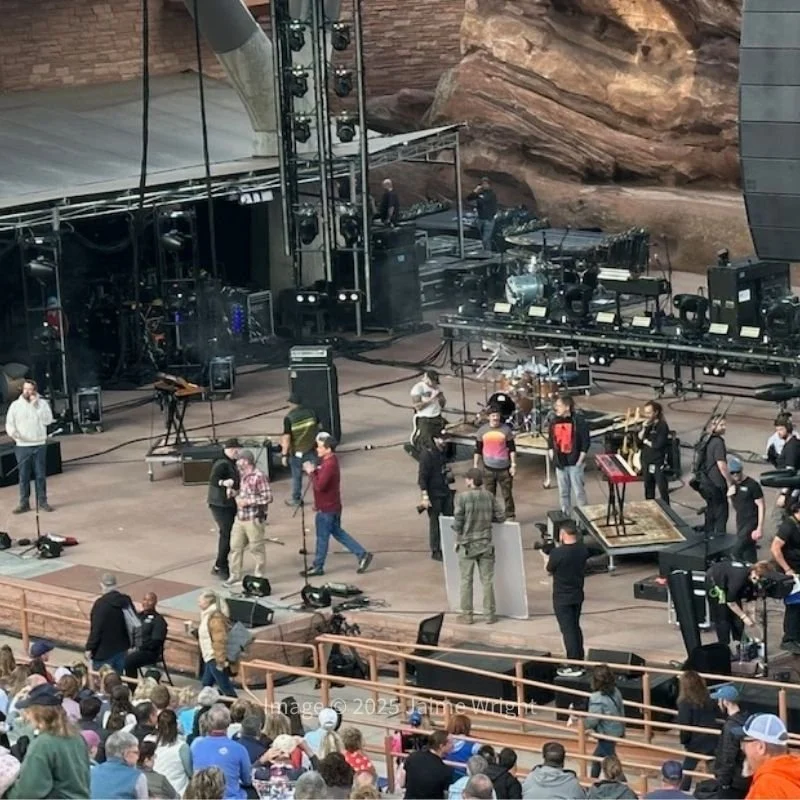
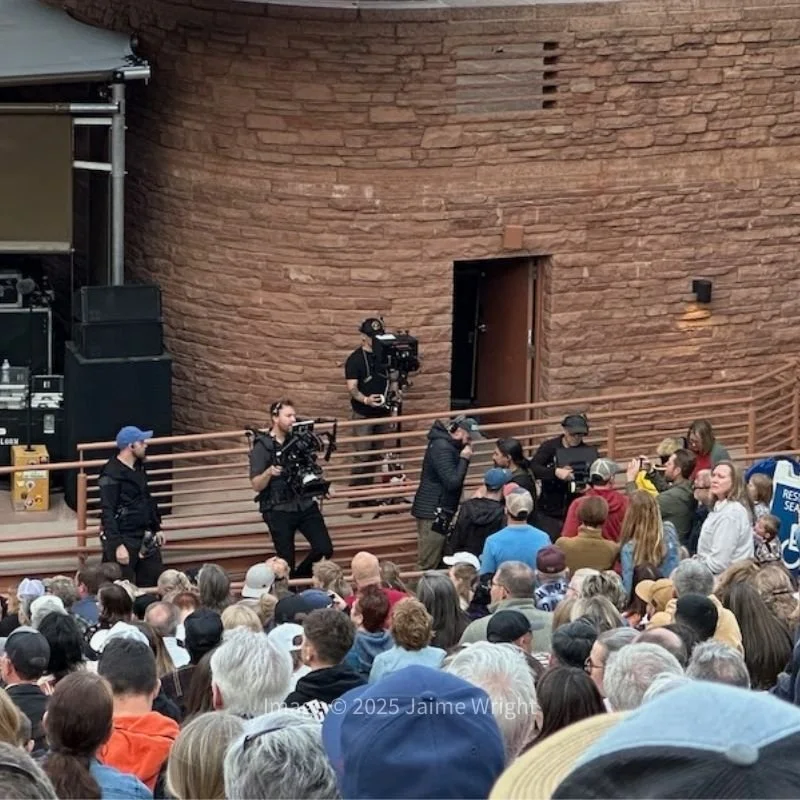
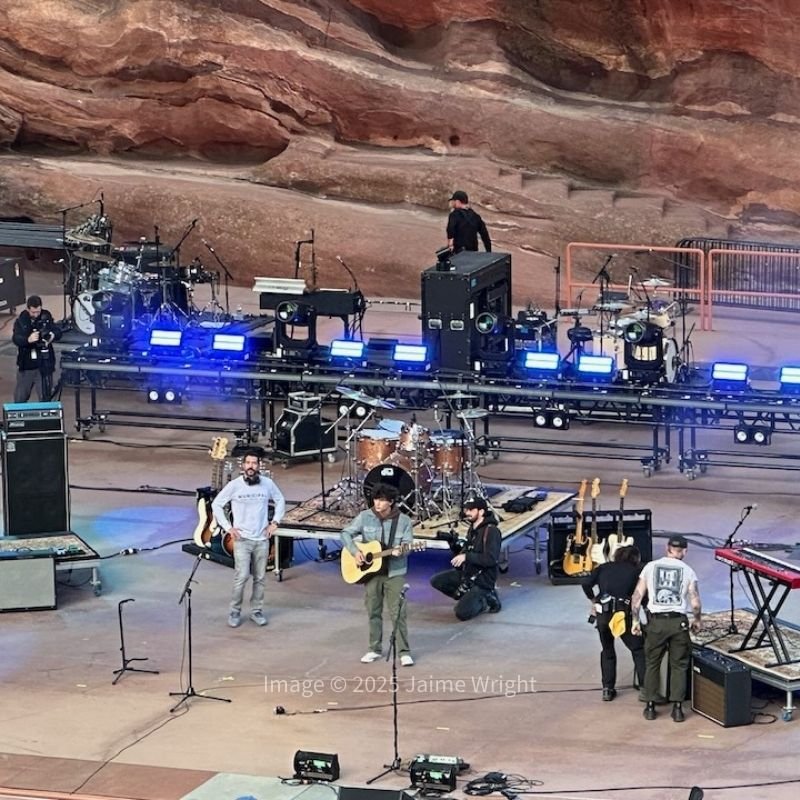
Photos from MercyMe at Red Rocks Amphitheatre
Four Branding Lessons From This Bucket List Experience
1. Your Brand Story Matters
The success of the first I Can Only Imagine film wasn’t accidental. It resonated because the story was honest, meaningful, and grounded in shared values. What began as a song turned into a movie—and now, a sequel—because someone recognized the power of that story and insisted it was worth telling.
At some point, the band wondered whether their story was “enough.” Many founders do. We discount the very experiences that make our brands compelling because they feel too personal or too ordinary.
A clear story doesn’t just inspire—it gives direction to everything that follows.
Takeaway: If you don’t value your story, no one else will. Often, the parts you’re tempted to overlook, especially the hard ones, are what create the deepest connection. Authentic stories are multi-dimensional, showing both the highs and lows of the brand's journey, because that's what makes it relatable to others.
2. Invite Your Audience Into Your Story to Create Emotional Connection
MercyMe’s longevity isn’t just about great music; it’s about relationship. Their audience has invested in them over decades, and that investment is mutual.
By inviting fans to be part of the filming process, they didn’t just perform for us—they created with us. We weren’t passive spectators; we were contributors, and they told us over and over that they appreciated us volunteering to be "extras" in the film.
Music naturally creates emotion, but sustaining that emotional connection takes intention. This experience wasn’t just entertaining—it was meaningful because it fostered community, shared purpose, and belonging.
The enthusiasm around this film is already growing because people feel personally connected to the story. They want it to succeed because it feels like their story too.
Takeaway: The strongest brands don’t just speak to their audience. They invite them in with intention—no stage or film crew required—and when people are invited into your brand story, they don’t just connect with it, they begin to take ownership of it. That emotional investment is what turns audiences into advocates and creates long-term momentum.
3. Brand Affiliations Matter
Every person involved in this project—actors, crew, production partners—now represents MercyMe’s brand. While the band doesn’t control every aspect of the process, it’s clear they chose collaborators who respect and protect the heart of their story.
That level of brand stewardship matters, especially for small brands, where every partnership is more visible and personal.
Takeaway: Who you invite into your brand story reflects back on you, so choose your affiliations with care.
4. Brand Strategy Sets the Foundation for Marketing
Throughout the filming process, MercyMe shared behind-the-scenes moments, interviews, and updates. They didn’t wait for a polished launch. They brought their audience along for the entire unfiltered journey, which is a key part of their brand: authenticity.
What we often see online from brands is polished highlight reels, but what truly builds trust is transparency—being willing to show both the good and not-so-good parts.
MercyMe’s marketing works because it’s rooted in a clear brand story that’s been nurtured over time. The band's music and movies show a brand story that's no stranger to hardship, and because of that hardship, we can celebrate and connect over the joys that they've experienced as a result.
Takeaway: Marketing without direction becomes noise. A clear brand strategy gives meaning to every message you share.
Building a Brand That Lasts
This experience reminded me that the brands that endure aren’t always the loudest or flashiest.
They’re the ones that know who they are, honor their story, and invite others to walk alongside them, even while the story is still unfolding.
If you’d like help building a brand story that lasts, I’d be honored to guide you in developing a brand strategy. Schedule a complementary discovery call so we can chat more.