

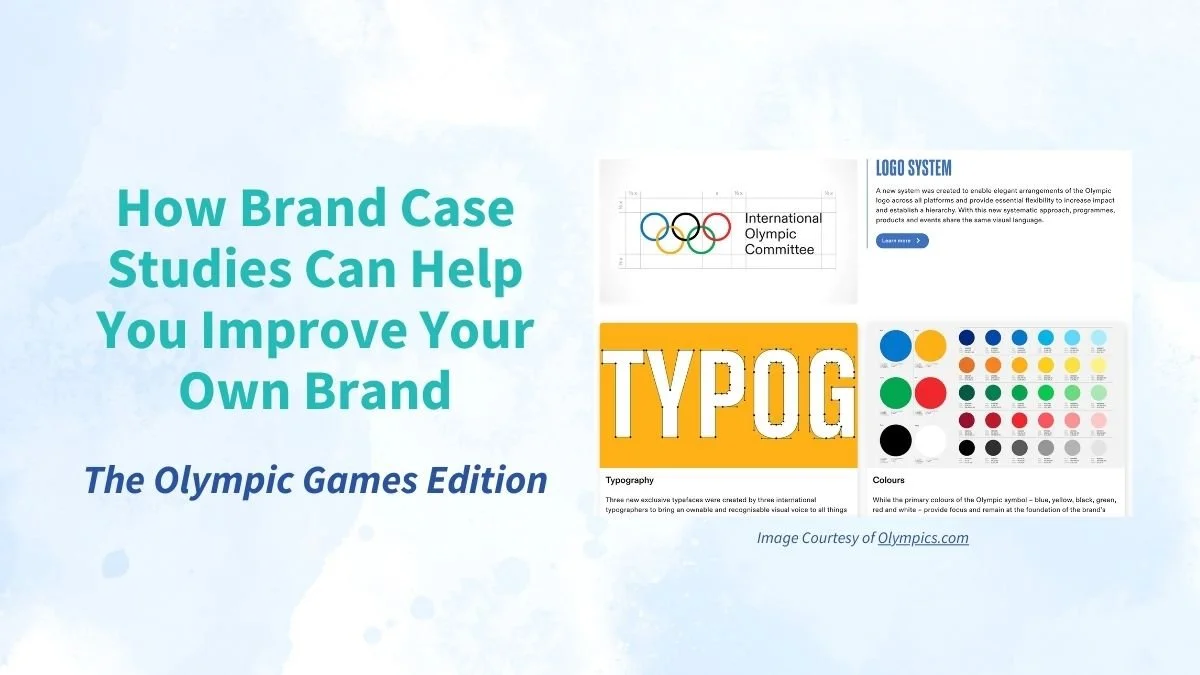
Studying brands as case studies gives us the opportunity to step outside our own work and observe brand strategy in action, without the emotional weight of our day-to-day decisions attached. When we’re deeply embedded in our brands, it can be difficult to see them objectively. Looking at how other organizations have built, refined, and expressed their brands over time—what worked, what didn’t, and why—creates healthy distance for brand stewards.
That perspective helps us make clearer, more intentional decisions about which strategies truly align with, and strengthen, our own brands. A great place to start with case studies is legacy brands.
When you think about legacy brands, what comes to mind for you?
Nike?
Coca-Cola?
Chanel?
Ford?
Ralph Lauren?
Mattel?
Apple?
When considering legacy brands, we might picture well-known corporations in the marketplace whose products we know and trust. These brands have stayed relevant across decades, generations, and cultural shifts, and that’s what turns a brand into a legacy.
But can a legacy brand be more than a product? Can it be a person, a place, or an experience? Absolutely! Think of:
Steven Spielberg
Yellowstone National Park
Major League Baseball
Formula 1 (F1) Racing
The Olympic Games
These are brands built not on shelves or storefronts, but on reputation, emotion, and experience. If you’re not selling a physical product and your brand is built on expertise, experience, or reputation instead, these kinds of legacy brands are especially worth studying.
We’re currently in the middle of the Olympic Winter Games in Milano and Cortina, and one of the reasons the Olympics has always fascinated me is that the brand sits at the very heart of the entire experience. Every Olympic Games has one chance, one moment in time, to introduce itself to the world. Once the flame is lit, there’s no rebrand, no pivot, and no second launch.
That’s what makes The Olympic Games such a compelling branding case study, especially when looking for helpful strategies to grow a brand that withstands the test of time.
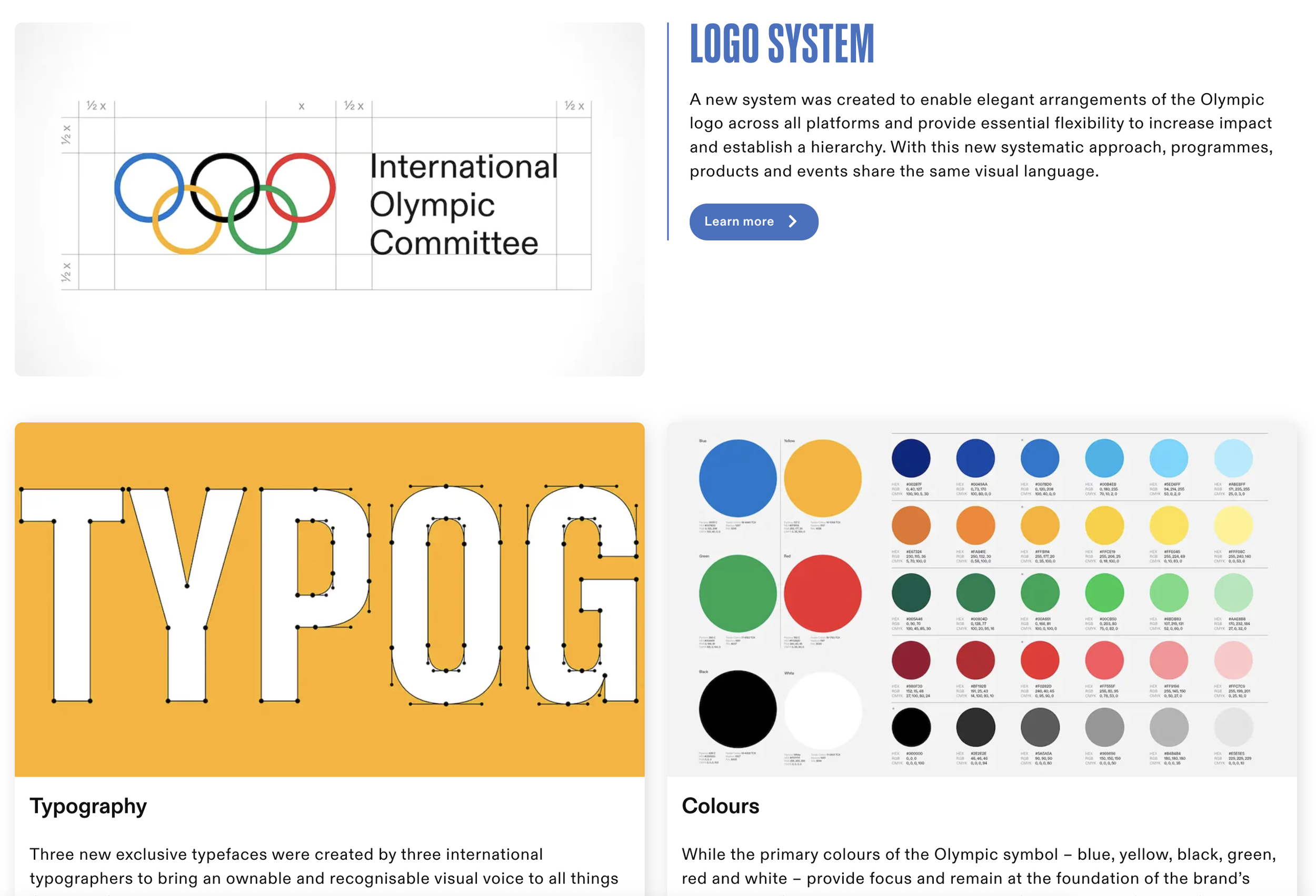
Image courtesy of Olympics.com
In recent years, Olympic host cities have created detailed brand portals that showcase the full scope of their brand development. And while I’ll happily admit I’m always deeply fascinated with branding, what draws me in here is the level of intention behind these systems. It's how the Olympic Games approach brand development, with extraordinary attention to detail and long-term vision, that makes me stop and pay attention.
These brand resources reveal everything: logos, typefaces, color palettes, slogans, mascots, torches, medals, and more. Each element is designed to work together as part of a cohesive whole, both on a local (host) level and as part of the overarching Olympic brand.
Studying Olympic brand systems offers lessons that extend far beyond sports. They show us how to:
Build a brand that works across cultures and languages while staying true to the host country's local characteristics
Balance tradition with evolution
Create a brand system, not just a logo
Design for both emotional impact and practical application
If you’d like to explore the Milano Cortina Olympics brand (and the brands of other recent Games) in more detail, you can do so below.
Milano Cortina (Winter 2026)
Paris (Summer 2024)
Beijing (Winter 2022)
Tokyo (Summer 2020)
The Olympic Brand as a whole